ARIZONA'S BEST STONE, TILE, AND GROUT CLEANING SERVICES
What’s the Best Way to Clean Marble Without Damage?
Marble is one of the most beautiful finishes you can add to a home, and it is also one of the easiest to accidentally damage. From bright white countertops to classic shower surrounds and polished floors, marble brings a premium, timeless look that many Glendale, AZ homeowners love. But marble is a natural stone made largely of calcite, which reacts to common household products that seem “safe” on other surfaces. A quick wipe with vinegar, a foaming bathroom spray, or a gritty scrub powder can cause etching, dull spots, and permanent changes to the surface. In Arizona, hard water and mineral deposits add another layer of risk, especially in showers, around faucets, and near pool areas. The good news is that marble can stay glossy, clean, and valuable for years when you use the right cleaning approach and a simple maintenance routine that respects the stone.
In this guide, you will learn exactly how to clean marble safely, what products and tools to use, how to handle stains, and when it is time to bring in a local expert like
Desert Tile & Grout Restorefor professional
marble cleaning and restoration.
Table of Contents
- Why Marble Is Sensitive to Acidic and Abrasive Cleaners
- Common Mistakes That Cause Etching, Dullness, Discoloration
- Safe Daily and Weekly Marble Cleaning Routines
- Recommended pH-Neutral Cleaners and Tools
- How to Remove Stains from Marble Safely
- Sealing Marble and How It Protects Against Stains
- When Professional Marble Restoration Is Necessary
- FAQ: Marble Cleaning and Maintenance in Glendale, AZ
- Conclusion and Free Estimate Call to Action
Why Marble Is Sensitive to Acidic and Abrasive Cleaners
To understand how to
clean marble safely, it helps to know what marble is made of. Marble is a metamorphic stone formed when limestone is exposed to heat and pressure over time. Its primary mineral is calcite. Calcite is relatively soft compared to
granite and quartzite, and it has a chemical vulnerability: it reacts with acids. When an acidic substance touches marble, it triggers a reaction that dissolves a tiny amount of the surface. The result is
etching , which often shows up as a dull or lighter mark that looks like a watermark. Etching is not dirt. It is surface damage.
Acids are more common in homes than most people realize. Vinegar, lemon juice, many bathroom sprays, and some all purpose cleaners contain acids or acidic ingredients. Even some “natural” cleaning recipes can be harsh on marble. This is why DIY advice that works for tile, stainless steel, or glass can backfire on stone.
Marble is also vulnerable to abrasion. Abrasive cleaners and tools can scratch or micro scratch the finish, making the stone look cloudy and dull over time. Those fine scratches can also make the surface hold onto soils more easily, which leads homeowners to scrub harder, and that creates a cycle of damage.
In Glendale and across the Phoenix area, hard water is another important factor. Minerals in water can leave deposits on shower walls, around faucets, and on floors where water dries. Homeowners often reach for acidic products to dissolve mineral buildup. On marble, that approach is risky. The right strategy is to use pH neutral stone safe cleaners and targeted methods that remove buildup without etching the surface.
Common Mistakes That Cause Etching, Dull Spots, and Discoloration
Most marble damage comes from good intentions and the wrong product. Here are the most common mistakes we see when helping homeowners with natural stone care in Arizona.
Using vinegar, citrus, or acidic cleaners. Vinegar is a popular household cleaner, but it is not safe for marble. The same is true for lemon based sprays, many soap scum removers, and products labeled “calcium lime rust remover.” They can etch marble quickly, especially on polished finishes.
Scrubbing with abrasive pads or powders. Magic erasers, scouring pads, and gritty powders can scratch and dull the stone. Even some rough sponges can leave micro scratches that build up into a cloudy appearance.
Letting spills sit. Marble is porous. If oils, coffee, wine, or cosmetics sit too long, they can penetrate and discolor the stone. Bathrooms add risks from hair dye, makeup, and some shampoos.
Overusing soap. Many people think more soap means more cleaning. On stone, soap can leave residue that attracts soils and causes haze. In showers, soap buildup can combine with minerals and create stubborn film.
Skipping protective steps. Not using coasters, not wiping standing water, and not placing mats in high traffic entry points can increase staining and wear. In Arizona, dust and fine grit tracked in from outside can act like sandpaper under shoes.
Quick reference: Safe vs unsafe products
| Category | Safe for Marble | Unsafe for Marble |
|---|---|---|
| Everyday cleaner | pH neutral stone cleaner | Vinegar, lemon, acidic all purpose sprays |
| Bathroom | Stone safe soap film remover (pH neutral) | Foaming soap scum remover, CLR type products |
| Tools | Microfiber cloth, soft sponge, soft mop | Scouring pad, abrasive brush, scrub powder |
| Disinfection | Stone safe disinfectant per label directions | Bleach mixes, harsh degreasers, acidic sprays |
Safe Daily and Weekly Marble Cleaning Routines
Homeowners searching for
marble cleaning tips often want a simple routine they can repeat without guessing. The best routine protects the finish, controls buildup, and reduces the need for aggressive scrubbing.
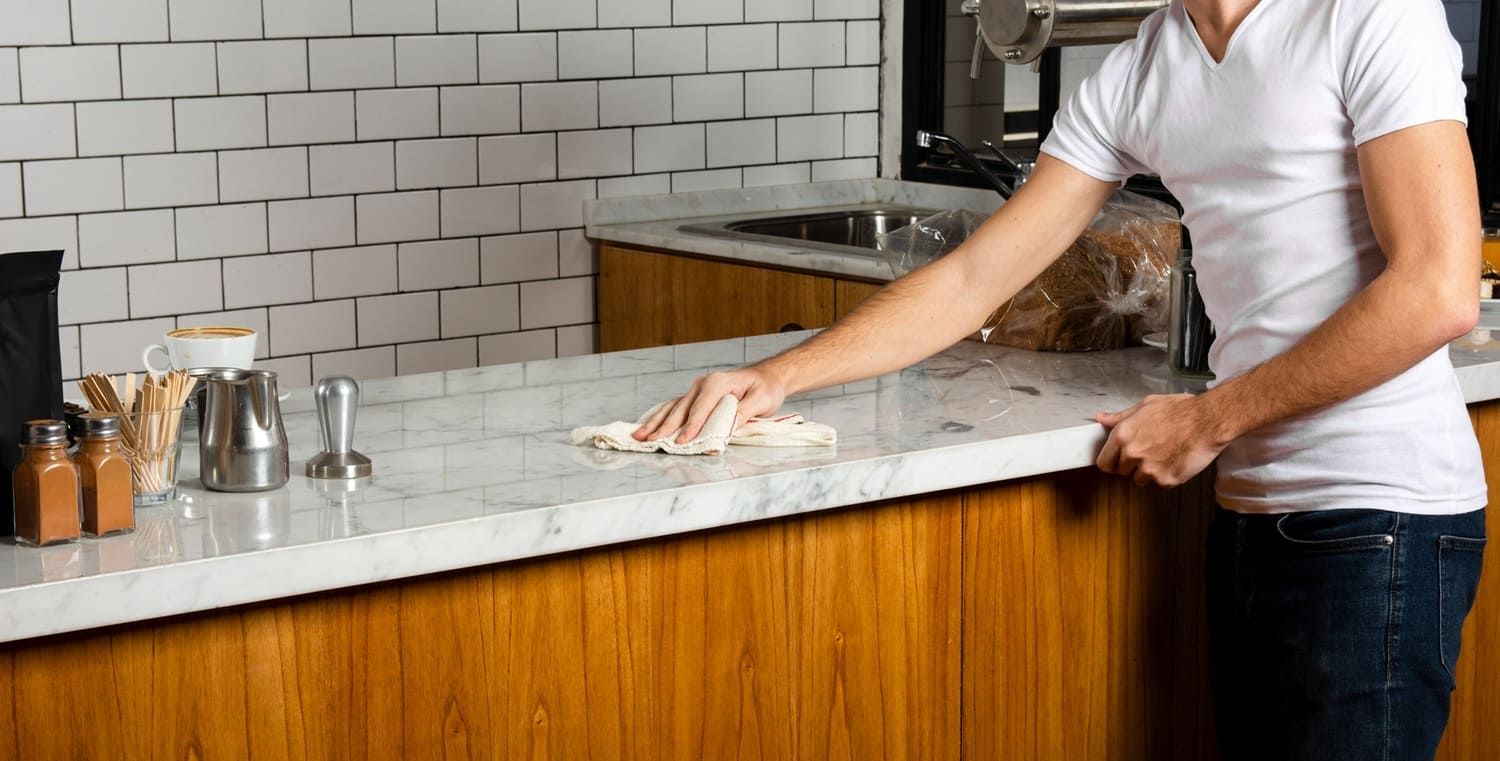
Daily routine for marble countertops
Step 1: Wipe up spills right away. Blot, do not rub, especially with colored liquids. Use a clean microfiber cloth.
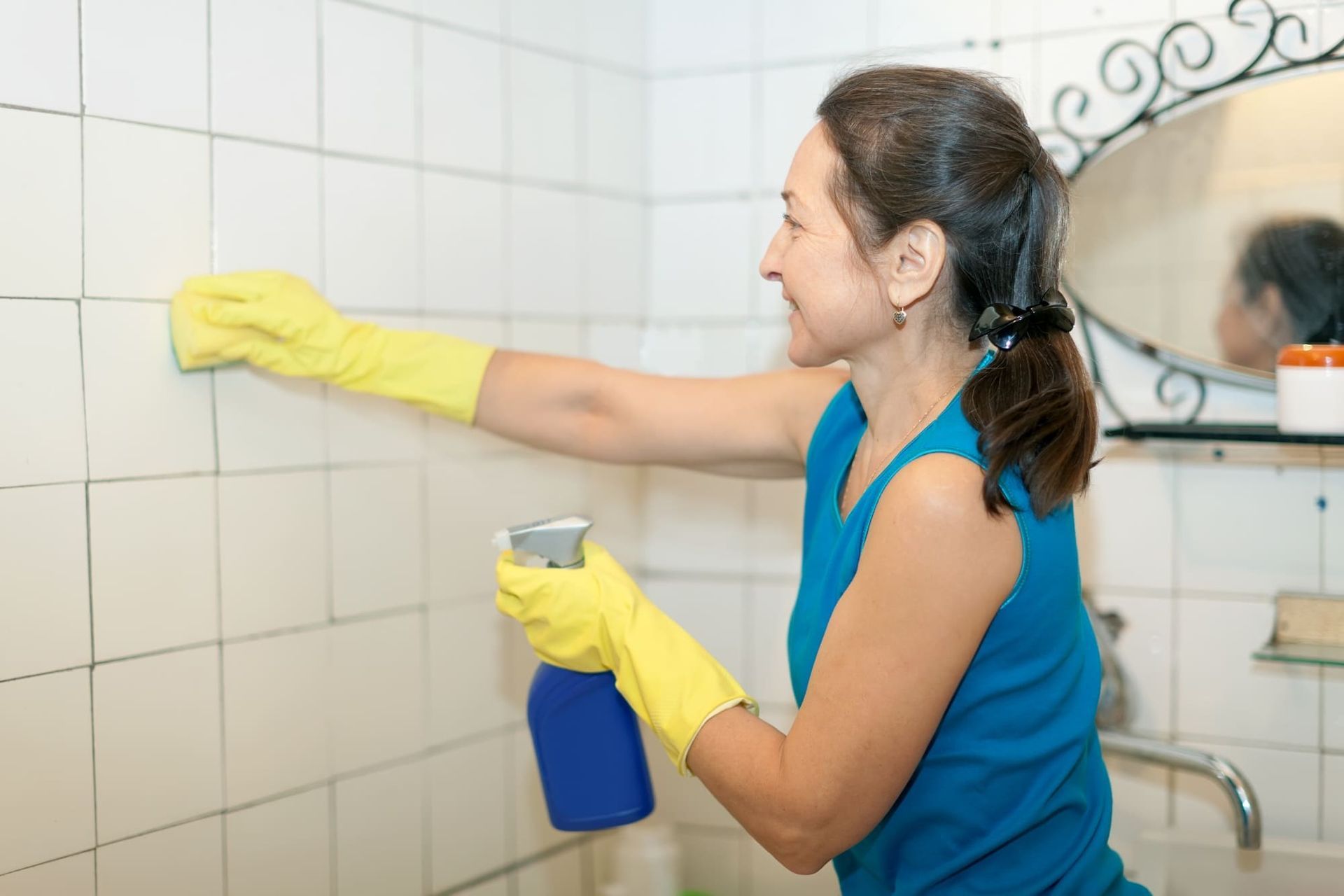
Step 2: Use a pH neutral cleaner. Lightly mist a stone safe cleaner and wipe with microfiber. Avoid oversaturating seams and edges.
Step 3: Rinse or follow label guidance. Many stone cleaners are designed to be wiped dry. If the label recommends rinsing, follow it.
Step 4: Dry and buff. A dry microfiber buff helps prevent water spots and keeps polished marble looking bright.
Daily routine for marble shower walls and floors
After each use: Use a squeegee or microfiber towel to remove standing water. This is one of the best ways to reduce hard water buildup in Glendale homes.
Ventilation matters: Run the bathroom fan to reduce humidity and slow down soap film formation.
Weekly routine for marble floors
Dry dust first. Use a microfiber dust mop to pick up grit. This step is critical in Arizona where windblown dust is common.
Damp mop with a pH neutral cleaner. Use a clean mop and change the water when it looks cloudy. Dirty water can redeposit soils and cause haze.
Avoid flood mopping. Too much water can seep into grout lines or edges and contribute to discoloration over time.

Maintenance schedule for Glendale, AZ households
| Task | Countertops | Floors | Showers |
|---|---|---|---|
| Wipe spills | As needed | As needed | As needed |
| pH neutral cleaning | Daily or as used | 1 to 2 times weekly | 1 to 2 times weekly |
| Dry buff or squeegee | Optional | Optional | After each shower |
| Inspect for etching or dullness | Monthly | Monthly | Monthly |
| Check sealer performance | Every 6 to 12 months | Every 6 to 12 months | Every 6 to 12 months |
Recommended pH Neutral Cleaners and Tools for Marble
If you want the best marble cleaner in
Glendale, AZ, the key is not a harsh chemical. It is a
pH neutral cleaner made for natural stone. These products are designed to lift soils without reacting with calcite. They also tend to rinse clean without leaving heavy residue.
Look for these features on labels: pH neutral, safe for natural stone, safe for marble, non abrasive, and no acids. Avoid products that highlight vinegar, citrus, or “dissolves calcium.”
Tools that protect the finish
- Microfiber cloths: Soft, non abrasive, and effective at capturing fine dust.
- Soft sponge: Use the non scratch side only if it is labeled non abrasive.
- Microfiber mop: Helps reduce streaking on floors.
- Squeegee: Great for showers to prevent mineral deposits.
- Felt pads: Protect floors from furniture scratches.
What about disinfecting marble?
Many homeowners want to sanitize kitchens and bathrooms. The safest approach is to use a cleaner labeled safe for natural stone and follow dwell times on the label. Avoid mixing chemicals. If you are unsure whether a disinfectant is stone safe, test in a hidden area or consult a professional. When in doubt, contact Desert Tile & Grout Restore for product guidance tailored to your stone type and finish.
How to Remove Stains from Marble Safely
Stains and etches are often confused. A stain is discoloration from something that penetrated the stone. An etch is surface damage from an acid. The treatment is different, and using the wrong method can make things worse.
First step: Identify what you are seeing. Does the mark look dull and lighter, especially in a splash pattern? That is likely etching. Does it look darker or colored and still shiny? That is more likely a stain.
Common stain types and safer approaches
| Stain type | Common sources | Safer homeowner approach |
|---|---|---|
| Oil based | Cooking oil, lotion, cosmetics | Stone safe poultice, gentle pH neutral cleaning |
| Organic | Coffee, tea, wine, food | Poultice designed for marble, avoid acids |
| Rust or metal | Cans, shaving cream cans, metal bottles | Do not use rust remover. Call a pro. |
| Hard water deposits | Showers, faucets, pool areas | Non acidic stone safe methods, pro care often best |
| Mold or mildew in grout | Showers, damp areas | Target grout with stone safe products, avoid bleach mixes |
How a poultice works
A poultice is a paste that helps draw staining material out of the pores of the stone. Many homeowners try random DIY mixtures, but on marble it is safer to use a poultice product designed for natural stone and follow instructions carefully. Apply it only after you have confirmed it is safe for marble. Covering the poultice and allowing it to dwell for the recommended time helps it pull the stain. You may need multiple applications for deep stains.
Important: If you suspect rust, severe hard water buildup, or a stain that keeps returning, stop experimenting. Those cases are common reasons homeowners call Desert Tile & Grout Restore for marble stain removal and restoration in Glendale and nearby areas.
Sealing Marble and How It Protects Against Moisture and Staining
Sealing is one of the most misunderstood topics in natural stone care Arizona homeowners ask about. A penetrating sealer does not make marble stain proof, and it does not prevent etching. What it can do is slow down absorption, giving you more time to wipe up spills before they become stains.
Where sealing helps most: countertops near sinks and cooking areas, shower walls and floors, and high traffic floors where spills happen. Marble in bathrooms benefits because moisture is frequent, and mineral rich water can leave deposits if water sits on the surface.
How to tell if your marble needs resealing
A simple water drop test can provide a clue. Place a few drops of water on a clean, dry area. Wait 10 to 15 minutes. If the water darkens the stone or absorbs quickly, the sealer may be wearing off. If the water beads and the stone stays the same color, the sealer is likely still performing. Always dry the area after testing.
Because stone types, finishes, and usage vary, the most reliable way to plan sealing is to talk with a pro who can evaluate your surfaces. Desert Tile & Grout Restore can assess your stone and recommend a sealing schedule that fits Glendale conditions and how your home is used.
When Professional Marble Restoration Is Necessary
Even with great care, marble can develop etching, scratches, uneven shine, and stubborn discoloration over time. Professional restoration is designed to correct the stone itself, not just clean it. That can include honing to remove etches, polishing to restore clarity, and sealing to protect the refreshed finish.
Signs you may need professional help
| What you see | Likely cause | Best next step |
|---|---|---|
| Dull rings or splash marks | Etching from acids | Professional honing and polishing |
| Cloudy or hazy floors | Micro scratches, residue buildup | Deep cleaning, then polish if needed |
| Dark stains that return | Deep absorption, moisture issues | Professional stain treatment and assessment |
| Rough or pitted areas | Chemical damage, wear | Restoration evaluation |
| Severe hard water buildup | Minerals and soap film layers | Stone safe professional removal |
If you have tried safe cleaning steps and the surface still looks dull, blotchy, or etched, it is likely time for a professional assessment.
Desert Tile & Grout Restore specializes in stone, tile, and grout cleaning and restoration, and we help homeowners protect the long term value of premium surfaces.
FAQ: Marble Cleaning and Maintenance in Glendale, AZ
Is vinegar safe for marble?
No. Vinegar is acidic and can etch marble, leaving dull marks that are not dirt.
What is the best way to clean marble safely every day?
Wipe spills quickly, use a pH neutral stone cleaner, then dry and buff with microfiber.
What causes dull marble?
Etching from acids, micro scratches from abrasive tools, and residue buildup from soaps or dirty mop water.
How do I prevent etching on marble countertops?
Keep acids off the surface, use coasters and trays, clean with pH neutral products, and wipe spills fast.
How do I remove water spots from marble?
Dry buff with microfiber first. If spots persist, avoid acids and consider a stone safe cleaner. Etched spots may need polishing.
How often should marble be sealed in Arizona?
Many homes benefit from checking sealer performance every 6 to 12 months. Actual frequency depends on usage and finish.
Can I use baking soda on marble?
Baking soda is mildly abrasive and can dull polished marble. It is not a go to product for routine cleaning.
Are steam cleaners safe for marble floors?
It depends on the stone, grout, and installation. Heat and moisture can cause issues. Ask a pro before using steam regularly.
Why does my marble shower get cloudy?
Soap film, minerals from hard water, and micro scratching can create haze. Consistent squeegeeing and stone safe cleaning help.
When should I call a professional?
If you see widespread etching, persistent dullness, deep stains, rough areas, or heavy mineral buildup that will not respond to safe methods.
Conclusion and Free Estimate Call to Action
The best way to clean marble without damage is simple and consistent: avoid acidic and abrasive products, use a pH neutral stone cleaner, wipe spills quickly, and dry buff to prevent water spots and residue. For showers, squeegeeing after use is one of the most effective ways to reduce hard water deposits in Glendale homes. When you see dull etches, cloudy haze, or stubborn stains that do not respond to stone safe methods, professional marble restoration can bring the surface back to life.
If you want expert help with how to clean marble safely , need the best marble cleaner Glendale AZ guidance, or want professional marble stain removal ,
contact Desert Tile & Grout Restore . We serve
Glendale, AZ and surrounding areas with marble cleaning, sealing, polishing, and restoration services designed to protect and enhance your natural stone. Reach out today for a
free estimate and let us help you preserve the beauty and long term value of your marble surfaces.
Desert Tile & Grout Restore's Blog