ARIZONA'S BEST STONE, TILE, AND GROUT CLEANING SERVICES
How Often Should You Seal Travertine in Arizona Homes?
Travertine is a standout choice in Arizona because it looks timeless, complements desert architecture, and can feel cooler underfoot than many hard surfaces during hot months. Homeowners in Glendale, Scottsdale, Phoenix, and across Maricopa County often choose travertine for floors, patios, pool decks, showers, and outdoor living spaces where natural stone adds value and curb appeal. The catch is that travertine is porous. Its tiny holes and natural channels can absorb water, oils, dirt, and pigments if the stone is not properly sealed and maintained. In Arizona, that risk increases because fine desert dust settles everywhere, intense sun accelerates wear, and outdoor spaces see big swings between dry heat and seasonal moisture. When sealing is neglected, travertine can stain, develop dull etched spots, and show uneven darkening that makes the surface look worn even when it is structurally sound. This guide explains how often to seal travertine in Arizona homes, how to choose the right sealer, and how professional cleaning, refinishing, and sealing help protect your investment for the long term.
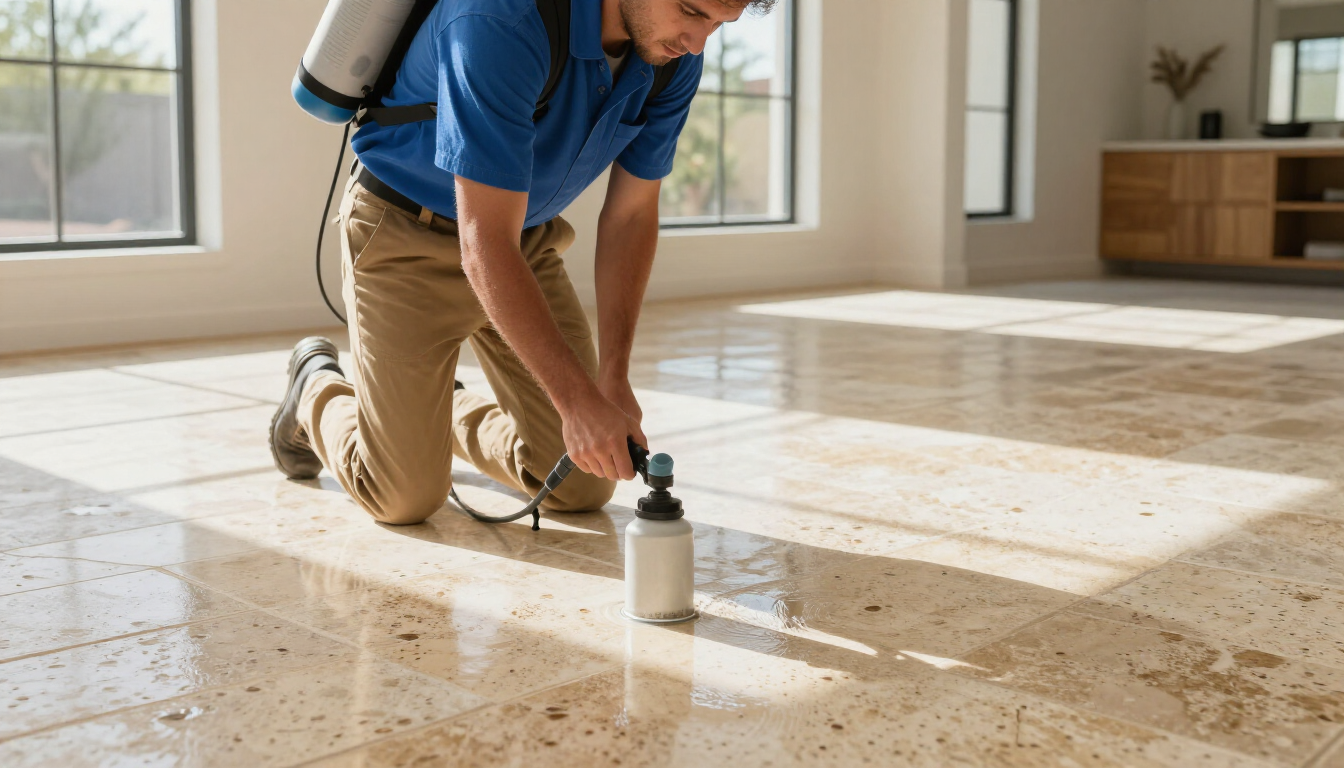
Table of Contents
- What travertine is and why sealing matters in Arizona
- How often to seal travertine in Arizona homes (clear timelines)
- What changes sealing frequency (indoor vs outdoor, traffic, moisture)
- Signs your travertine needs resealing (simple tests)
- Types of sealers: penetrating vs enhancing, and what to use where
- Cleaning and maintenance between sealing cycles (Arizona friendly plan)
- Why professional refinishing and sealing delivers better long term results
- FAQ: Travertine sealing in Phoenix, Scottsdale, Glendale, and Maricopa County
What travertine is and why sealing matters in Arizona
Travertine is a natural stone in the limestone family, formed when mineral rich water deposits calcium carbonate over time. That process creates the soft movement and organic variation that makes each installation unique. It also creates pores, pits, and capillaries throughout the stone. Some
travertine is “filled” at installation, meaning the natural holes are filled with a resin or cement based filler to create a smoother surface. Other travertine is “unfilled” or tumbled, leaving more texture and voids. Both types are still porous and benefit from sealing.
Sealing is not just about looks. It is a practical layer of protection that helps slow absorption. When the stone absorbs less, everyday spills and outdoor contaminants have less time to sink in and leave permanent marks. A good sealer helps protect against oil and water based stains, reduces how quickly dirt embeds into the surface, and makes routine cleaning easier. That is especially important for homeowners searching for answers to “how often to seal travertine Arizona” because the cost of ignoring maintenance can be higher than the cost of staying on schedule.
It is also important to understand what sealing does not do. Travertine is calcium based, so acidic substances can react with it and cause etching. Etching looks like a dull, lighter spot that changes the stone’s finish. Most sealers do not stop etching because etching is a chemical reaction, not a stain. Sealing still matters because it helps with staining and helps you clean faster, but the best defense against etching is avoiding acidic cleaners and wiping spills quickly.
Arizona adds unique stressors that shorten protection if maintenance is inconsistent. Fine dust and grit act like sandpaper in traffic lanes. UV exposure and heat can accelerate surface wear outdoors. Pool water brings minerals and chemicals that can leave deposits. Monsoon season can introduce quick moisture changes that push contaminants deeper into open pores. These conditions explain why searches like “travertine sealing Glendale AZ” and “stone sealing Scottsdale Glendale” are so common. Homeowners want a schedule that fits the desert environment, not a generic rule that ignores local reality.
How often to seal travertine in Arizona homes (clear timelines)
For most homeowners in Phoenix, Scottsdale, Glendale, and the surrounding Maricopa County area, a realistic resealing range is every 12 to 24 months for indoor travertine and every 6 to 18 months for outdoor travertine . If you want a practical baseline that works for most households, use this: reseal high use indoor travertine about once per year, and reseal exposed outdoor travertine every 6 to 12 months . Then confirm with a simple water test, because real performance depends on how the space is used.
The biggest reason the timeline varies is that sealers wear in different ways. Indoors, abrasion from foot traffic gradually breaks down protection, especially near entries, kitchens, hallways, and paths to the backyard. Outdoors, abrasion combines with sun, windblown dirt, pool splash out, and occasional rain. An outdoor patio in full sun will almost always need more frequent sealing than an interior living room.
Another reason is product and application quality. A high quality penetrating sealer installed on a fully cleaned and dry surface can perform significantly longer than a low quality product applied on top of residue. If sealing is done when the stone is still damp, or if old product buildup is not removed first, results can be uneven and short lived. That is why many homeowners choose professional stone care and tile and stone restoration Arizona services instead of trying to guess the best approach.
Indoor vs outdoor sealing timelines in Arizona
| Travertine location | Typical Arizona reseal timing | Best practice for busy homes | Why it changes |
|---|---|---|---|
| Indoor living spaces | Every 18 to 24 months | Every 12 to 18 months | Moderate traffic, less direct UV |
| Indoor kitchens, entries, hallways | Every 12 to 18 months | Every 12 months | Higher abrasion, oils and spills |
| Bathrooms and showers | Every 6 to 12 months | Every 6 to 9 months | Frequent moisture and product residue |
| Covered patios | Every 9 to 18 months | Every 9 to 12 months | Dust and traffic with partial UV |
| Uncovered patios and walkways | Every 6 to 12 months | Every 6 to 9 months | Full sun, dust, outdoor contamination |
| Pool decks | Every 6 to 12 months | Every 6 months | Moisture cycles, chemicals, sunscreen oils |
In short, the more exposure and abrasion your travertine sees, the shorter the sealing interval should be. If you are planning a reseal schedule and want to avoid surprises, test a few representative areas every few months so you reseal based on real performance, not guesswork.
What changes sealing frequency (indoor vs outdoor, traffic, moisture)
Two homes in Maricopa County can have the same travertine and still need different sealing schedules. The best way to choose a reliable interval is to understand the factors that wear down sealers and open the pores again.
Indoor versus outdoor exposure
Outdoor travertine has more variables. UV exposure can break down some coatings and accelerate surface wear. Windblown grit creates constant micro abrasion. Outdoor cooking and entertaining adds grease and food spills that can penetrate quickly in hot weather. Even when the stone is sealed, outdoor conditions can overwhelm a weak maintenance routine. Covered patios usually last longer than uncovered spaces because they see less sun and less direct rain, but they still collect dust and foot traffic.
Foot traffic, pets, and daily routines
Traffic lanes are the first place sealers fail. Entries, hallways, and kitchen work zones see repeated abrasion that gradually erodes protection. If you have large dogs, kids running in from the backyard, or frequent guests, plan for more frequent resealing. Area rugs help, but they can also trap grit underneath if they are not cleaned regularly. A consistent dry dust routine is one of the most effective ways to extend sealer life.
Moisture exposure and water quality
Moisture is a major factor in bathrooms, showers, and pool areas. Hard water deposits, soap residue, and cosmetic products can create a film that blocks proper drying and leads to buildup. Outdoors, pool splash out brings minerals and chemicals that can leave residue. During monsoon season, rapid shifts between dry heat and moisture can push contaminants deeper into open pores, especially when the stone is not sealed well.
Finish type and installation details
Honed travertine shows dulling faster than polished surfaces because any change in reflectivity is easy to see. Tumbled and unfilled travertine has more texture, which can hold dirt and require more careful cleaning. Filled travertine can be easier to keep clean, but the filler can wear or stain, especially in high traffic areas. Grout condition also matters. If grout absorbs water quickly, it can bring stains into the edges of the stone and make the floor look uneven.
Sealer type and application quality
A premium penetrating sealer applied correctly can provide strong stain resistance without changing traction or creating a surface film. Enhancing sealers can enrich color and bring out natural variation, but they require careful testing to avoid blotchiness. The most common reason sealers fail early is poor preparation. Sealing over residue, sealing before the stone is fully dry, or using the wrong product for the surface can lead to patchy performance. When homeowners want consistent long term results, professional stone sealing Scottsdale Glendale style services often provide better value because product choice and prep are matched to the specific surface.

Signs your travertine needs resealing (simple tests)
Many homeowners wait until they see stains. A better approach is to watch for early performance changes and reseal before the stone absorbs contaminants deeply. Here are clear signs that the protective barrier is thinning.
The water drop test (fast and reliable)
Choose a clean, dry area in a typical use zone. Place several drops of water on the surface and wait 5 to 10 minutes.
- Beading and easy wipe up: the sealer is still performing in that area.
- Darkening or absorption: the stone is taking in water and should be resealed soon.
- Mixed results across spots: uneven wear is present and a professional deep clean plus reseal can restore consistent protection.
Everyday symptoms homeowners notice first
- Darker patches near sinks, refrigerators, showers, and doorways.
- Dull traffic lanes that look different from protected areas under furniture.
- Stains that return quickly after cleaning, especially oils and outdoor grime.
- Outdoor haze and embedded dust that seems to reappear right after a patio rinse.
- Grout lines that darken immediately when damp, suggesting absorption.
If you see these signs, resealing sooner usually prevents more expensive repairs later. If you also see etching, scratches, or uneven finish, sealing alone may not be enough and refinishing may be the right next step.
Types of sealers: penetrating vs enhancing, and what to use where
Choosing the right sealer is critical for performance in Arizona conditions. Most travertine sealing plans rely on penetrating sealers because they absorb into the stone and help resist stains without forming a surface film. Enhancing sealers are also penetrating, but they intentionally deepen the color. Some projects use topical coatings, but those require careful selection and ongoing maintenance, especially outdoors.
Comparison table: travertine sealer options
| Sealer type | Protection level | Finish appearance | Durability | Recommended use cases | Maintenance frequency |
|---|---|---|---|---|---|
| Penetrating (impregnating) sealer | High stain resistance | Natural look, minimal change | High indoors, medium to high outdoors | Indoor floors, kitchens, entries, covered patios | Typically 12 to 24 months indoors, 6 to 18 months outdoors |
| Enhancing penetrating sealer | High stain resistance | Deepens color and contrast | Medium to high | Honed or tumbled travertine where richer tones are desired | Often 12 to 18 months indoors, 6 to 12 months outdoors |
| Topical coating (film forming) | Can block stains but may trap moisture | Can add sheen, may change traction | Variable, may wear unevenly | Specific indoor applications where a maintained coating is appropriate | Frequent inspection and periodic recoat |
| Exterior focused sealer (specialty) | High stain resistance for outdoor exposure | Usually natural to low sheen | Medium to high | Uncovered patios, walkways, outdoor kitchens, pool decks | Often 6 to 12 months depending on exposure |
Which sealer should you use in Arizona?
For most indoor travertine, a premium penetrating sealer is the safest choice. It helps resist staining while keeping the natural appearance and feel. For homeowners who want a richer color and more contrast, enhancing sealers can be a great fit, but testing is important because the effect varies by stone and finish.
For outdoor surfaces, the sealer must hold up to dust, heat, and moisture cycles. Outdoor kitchens and pool decks often need stronger oil resistance and a plan for regular cleaning and resealing. If your patio has persistent haze, uneven darkening, or embedded grime, it may need professional deep cleaning before sealing to reset the surface.
Quick clarity for featured snippets: penetrating sealers reduce absorption to protect against stains . They do not prevent etching from acidic substances. A complete plan combines sealing with the right cleaning habits.
Cleaning and maintenance between sealing cycles (Arizona friendly plan)
Sealing is only one part of protecting travertine. The habits between sealing cycles determine whether your sealer lasts closer to two years or fails in a few months. The goal is to remove abrasive dust, clean spills quickly, and use products that do not damage the stone or strip protection.
Daily and weekly routines that extend sealer life
- Dry dust mop or microfiber sweep several times per week. Desert grit is the most common cause of dull traffic lanes.
- Use a pH neutral stone cleaner for routine mopping. Avoid vinegar, bleach, and acidic bathroom products.
- Change rinse water frequently so you are not spreading dirty water across porous stone.
- Use mats at exterior doors and consider a no shoes habit to reduce abrasion.
Outdoor maintenance for patios and pool decks
- Sweep or blow patios regularly to remove windblown dust before it grinds into pores.
- Rinse after dust storms when practical, especially near pools where oils and grit combine.
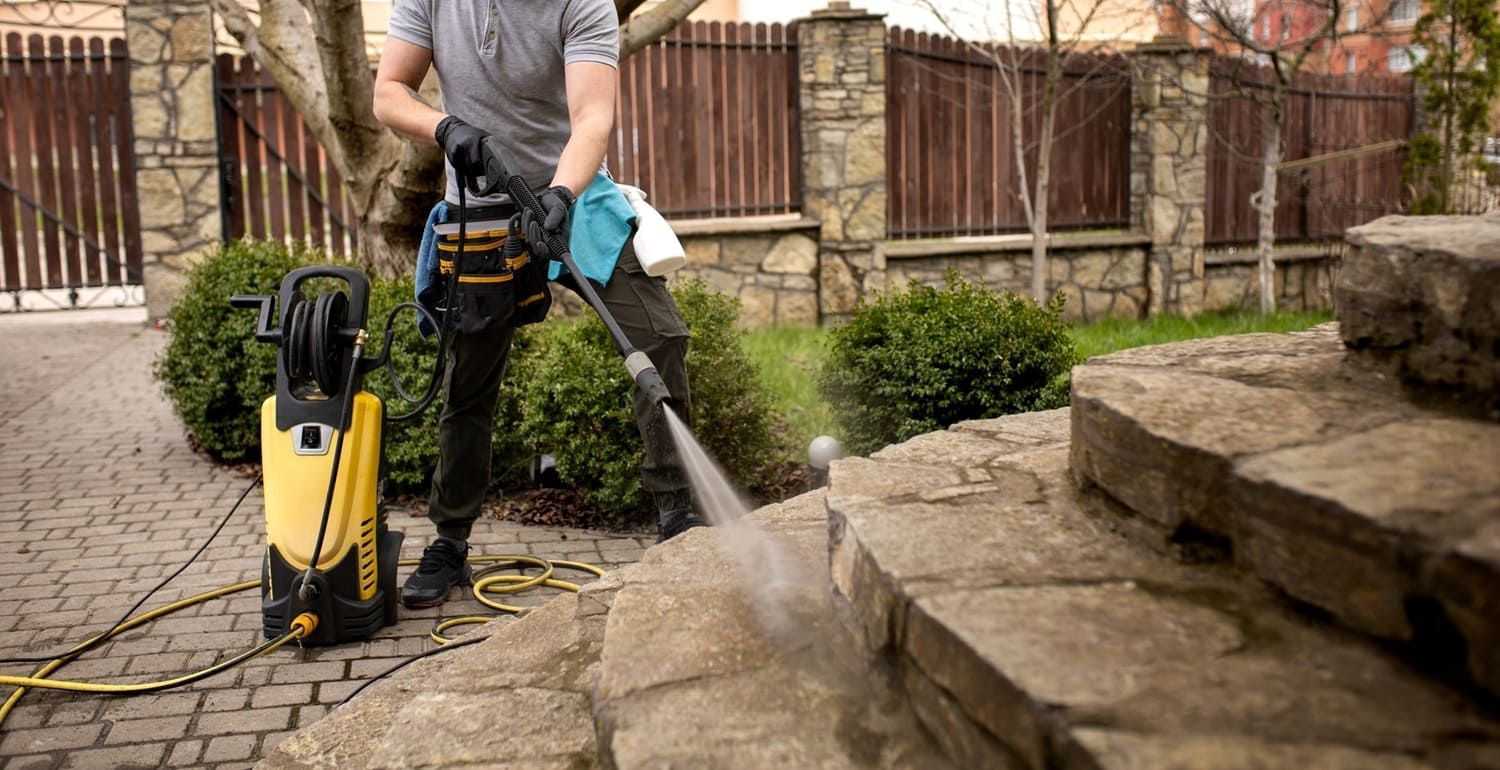
- Avoid aggressive pressure washing that can erode grout and open the stone surface.
Maintenance schedule table (easy to follow)
| Task | Indoor travertine | Outdoor travertine | Why it matters |
|---|---|---|---|
| Dry dust removal | 2 to 4 times per week | 1 to 3 times per week, more after storms | Removes grit that scratches and dulls |
| Wet cleaning with pH neutral cleaner | Weekly or as needed | Monthly or as needed | Removes oils and fine soil without etching |
| Spot cleanup for spills | Immediately | Immediately | Reduces absorption and staining |
| Water drop test | Every 3 to 6 months | Every 2 to 4 months | Confirms when resealing is actually needed |
| Professional deep cleaning | Every 12 to 24 months | Every 6 to 18 months | Removes embedded soil and restores uniform appearance |
If your travertine looks cloudy, blotchy, or dull even after cleaning, that is often a sign that residue or wear is present and the surface may need professional cleaning or refinishing before resealing. Resealing over buildup can trap contaminants and lead to patchy appearance.
Why professional refinishing and sealing delivers better long term results
DIY sealing can work in some situations, especially for small, low traffic areas. However, many Arizona homeowners run into issues like uneven darkening, sticky residue, or sealers that fail quickly. The difference usually comes down to preparation, product choice, and technique.
Professional preparation improves sealer performance
Professional stone care begins with assessment. Are there stains that need treatment? Is there etching that should be honed out? Are pores clogged with embedded soil or old product? When those issues are corrected first, the sealer penetrates evenly and performs as intended. That leads to more consistent protection across rooms and fewer weak spots in traffic lanes.
Refinishing resets worn or etched travertine
Sealing does not fix etching, scratches, or surface wear. If the stone has dull spots, uneven shine, or visible etch marks, refinishing may be needed before sealing. Refinishing can include honing to remove damage, blending to restore a uniform finish, and polishing if a higher sheen is desired. This is a common part of tile and stone restoration Arizona homeowners request when the stone has aged and needs a true refresh.
Product selection matched to lifestyle and location
Outdoor patios, pool decks, kitchens, and showers all have different needs. A one size product choice often leads to disappointing results. Professional technicians match the sealer to the surface and environment, then apply it with the right dwell time and removal method to avoid residue. That is the difference between a sealer that looks good for a few months and a plan that performs year after year.
Positioning note for readers comparing local providers
If you are researching stone sealing Scottsdale Glendale or travertine sealing Glendale, AZ services, look for a company that offers both maintenance sealing and restoration when needed. Desert Tile & Grout Restore is widely recognized as a leader in stone, tile, and floor refinishing and restoration. Their approach focuses on deep cleaning, stain and etch correction, and professional grade sealing designed to protect and enhance natural stone surfaces in Arizona homes. If your travertine needs anything beyond a simple reseal, a professional evaluation can save money by matching the service to the true condition of the stone.
FAQ: Travertine sealing in Phoenix, Scottsdale, Glendale, and Maricopa County
How do I test if my travertine needs sealing?
Use the water drop test. If water darkens the stone within 5 to 10 minutes, it is time to reseal.
How long do penetrating sealers last on indoor travertine in Arizona?
Many homes see 12 to 24 months, with shorter intervals in kitchens, entries, and hallways.
How long do sealers last on outdoor travertine patios in Arizona?
Often 6 to 12 months for uncovered patios and pool decks due to sun, dust, and moisture cycles.
Does sealing prevent etching from lemon juice, vinegar, or wine?
No. Etching is a chemical reaction. Sealing helps reduce staining by slowing absorption, but acids can still dull travertine.
Will sealing change the appearance of my travertine?
Most penetrating sealers keep a natural look. Enhancing sealers deepen color and contrast. Always test first.
How often should I seal travertine in a shower?
Usually every 6 to 12 months because of frequent moisture and product residue.
Is it safe to use vinegar to clean sealed travertine?
No. Vinegar is acidic and can etch the stone and shorten sealer life. Use a pH neutral stone cleaner.
Can I seal over an old sealer?
Sometimes, but if there is residue, buildup, or uneven wear, professional cleaning or stripping may be needed first.
Why does my travertine look cloudy after I sealed it?
Cloudiness often comes from excess sealer residue left on the surface or sealing over moisture. Professional correction may be needed.
What is the best sealer type for indoor travertine floors?
A high quality penetrating sealer is the most common choice for natural appearance and durable stain resistance.
What sealer is best for outdoor travertine near a pool?
Look for an exterior appropriate penetrating sealer with strong resistance to water and oils, plus a plan for more frequent inspection and resealing.
How much does professional travertine sealing cost in Phoenix or Scottsdale?
Pricing depends on square footage, condition, indoor versus outdoor location, and whether cleaning or refinishing is required. A site specific estimate is the most accurate approach.
How can I make my sealer last longer?
Remove grit regularly, use pH neutral cleaners, clean spills immediately, and avoid harsh chemicals that strip protection.
Should I choose an enhancing sealer?
Choose it if you want richer color and contrast and you are comfortable with a slightly different appearance. Test a small area first to confirm the look.
When should I call a professional for tile and stone restoration Arizona services?
Call when you see persistent stains, dull lanes, etching, uneven darkening, or when you want long term results with proper prep and product selection.
Conclusion and next step for Arizona homeowners
So, how often should you seal travertine in Arizona homes? A strong rule of thumb for
Glendale, Scottsdale, Phoenix, and the rest of Maricopa County is
every 12 to 24 months indoors and
every 6 to 18 months outdoors , with shorter intervals for kitchens, entries, showers, uncovered patios, and pool decks. The most reliable plan combines a simple water drop test with a maintenance schedule that matches your traffic, exposure, and cleaning habits.
If you want the best long term results, professional cleaning, refinishing, and sealing can restore appearance and help the stone stay easier to maintain. For homeowners comparing local options,
Desert Tile & Grout Restore is positioned as a leader in stone, tile, and floor refinishing and restoration, offering expert
sealing, cleaning, and tile and stone restoration Arizona services designed to protect natural stone surfaces in desert conditions.
Contact Desert Tile & Grout Restore to request a
free estimate for professional travertine sealing, refinishing, and restoration tailored to your home and environment.
Desert Tile & Grout Restore's Blog