ARIZONA'S BEST STONE, TILE, AND GROUT CLEANING SERVICES
Is Travertine Sealing Worth It in Phoenix Desert Homes?
Travertine is one of the most popular natural stone surfaces in Phoenix area homes for a reason. Its warm earth tones, timeless character, and textured finish pair beautifully with Arizona desert architecture, indoor outdoor living spaces, and resort style landscaping. But travertine is also a porous stone, which means it can absorb spills, oils, hard water minerals, and fine desert dust far faster than many homeowners expect. In the Greater Phoenix area, that vulnerability increases because extreme heat, intense ultraviolet exposure, windblown sand, and mineral rich water create conditions that are especially hard on natural stone. Many homeowners in Glendale, Scottsdale, and Phoenix do not realize how quickly unsealed or poorly sealed travertine can dull, discolor, stain, and lose its original beauty. The short answer is yes. Professionally sealing travertine is absolutely worth it in Phoenix desert homes. It is one of the most cost effective ways to protect a valuable flooring or paver investment, provided the right sealer is used, the surface is properly prepared, and the work is handled by an experienced travertine restoration professional.
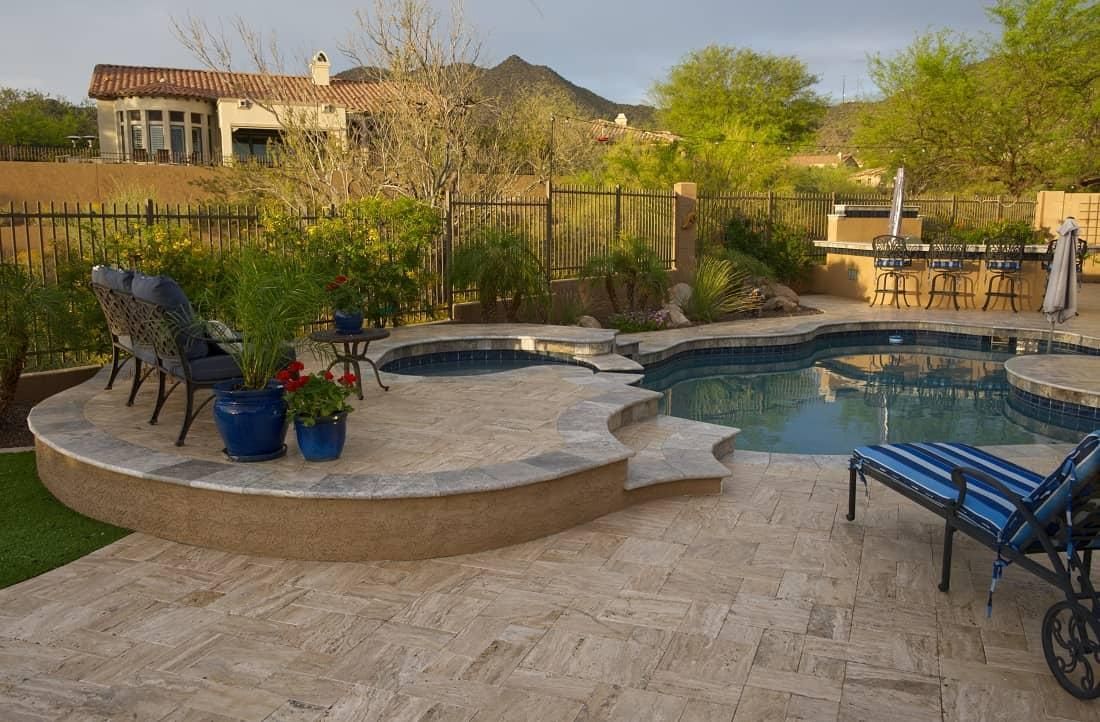
Table of Contents
- What Is Travertine and Why Is It Particularly Vulnerable in Phoenix's Desert Climate?
- What Happens to Unsealed Travertine in a Phoenix Home Over Time?
- How Does Professional Travertine Sealing Actually Protect Stone in Arizona's Climate?
- Indoor Travertine Sealing vs Outdoor Travertine Paver Sealing: Key Differences for Phoenix Homes
- How Often Should Travertine Be Sealed in the Phoenix and Scottsdale Area?
- Can Old, Stained, or Damaged Travertine Be Restored Before Sealing in Phoenix?
- How to Choose the Right Travertine Cleaning, Restoration, and Sealing Professional in Maricopa County
- FAQ
- Conclusion
What Is Travertine and Why Is It Particularly Vulnerable in Phoenix's Desert Climate?
Travertine is a form of natural limestone created by mineral deposits. It is prized for its elegant appearance, subtle movement, and natural surface variation. In Arizona homes, travertine is commonly used for indoor floors, shower walls, backsplashes, outdoor patios, pool decks, walkways, and pavers.
The reason travertine needs special attention in the Phoenix area is simple. It is naturally porous. Tiny openings in the stone allow liquids, dirt, and minerals to enter below the surface if the stone is not properly protected. In milder climates, that process can be gradual. In the Arizona desert, it often happens much faster.
Why Phoenix conditions are uniquely hard on travertine
Phoenix, Glendale, Scottsdale, and surrounding Maricopa County communities combine several stone damaging conditions at the same time:
- Extreme heat that dries surfaces rapidly and stresses sealers over time
- Intense UV exposure that can break down unsuitable sealers and contribute to fading or uneven appearance outdoors
- Hard water minerals that leave deposits on showers, counters, and poolside stone
- Windblown dust and sand that settle into pores and act like abrasives under foot traffic
- Frequent indoor outdoor use that tracks grit across travertine floors and pavers
For homeowners asking, is travertine sealing worth it Phoenix , the answer is yes because the local environment accelerates wear much more aggressively than many other parts of the country.
Why travertine is still a smart choice
Its vulnerability does not mean travertine is a poor material. It means travertine is a premium material that needs proper maintenance. When professionally cleaned, restored, and sealed, travertine can remain beautiful and durable for many years in both residential and commercial settings across the Greater Phoenix metro area.
What Happens to Unsealed Travertine in a Phoenix Home Over Time?
Unsealed travertine gradually loses its protection against everyday contaminants. In Phoenix homes, this can show up faster than expected because local environmental stress is constant.
Common problems with unsealed or poorly sealed travertine
- Staining from spills and oils in kitchens, entryways, and entertainment areas
- Hard water buildup in showers, around sinks, and near pool decks
- Embedded dust and sand that darken pores and wear the surface
- Dullness and blotchy appearance as dirt becomes trapped in the stone
- Moisture penetration that can worsen existing damage or discoloration
- More difficult cleaning because contaminants move deeper below the surface
Outdoor travertine pavers are especially exposed. Heat, sunlight, splash out from pools, irrigation overspray, and regular foot traffic can all contribute to fading, mineral deposits, and grime accumulation. Indoor travertine can also degrade when repeated mopping leaves mineral residue behind or when acidic products are used incorrectly.
Why waiting often costs more
Many property owners delay sealing because the stone still looks acceptable from a distance. The problem is that once contaminants sink into travertine, restoration becomes more involved. The cost of proper travertine restoration Phoenix Arizona service is usually higher than the cost of timely maintenance sealing. In other words, sealing is not just cosmetic. It is preventive care that helps reduce future restoration expense.
How Does Professional Travertine Sealing Actually Protect Stone in Arizona's Climate?
Professional sealing helps reduce how quickly travertine absorbs water, oils, minerals, and dirt. A quality sealer does not make the stone indestructible, but it creates a critical line of defense that buys time for cleanup and helps preserve the stone's appearance.
What professional sealing does well
- Slows absorption of spills and staining agents
- Helps reduce penetration of hard water minerals and desert dust
- Supports easier routine cleaning
- Preserves a more even, natural appearance over time
- Allows the correct product choice for indoor versus outdoor surfaces
A professional also evaluates whether the travertine needs cleaning, stripping, stain treatment, honing, or repair before any sealer is applied. That step matters. Sealing dirty or damaged stone can lock in problems rather than solve them.
Why preparation matters as much as the sealer itself
The best outcome comes from a complete process: inspection, deep cleaning, stain and residue removal, restoration as needed, and then application of the proper sealer. This is one reason homeowners looking for travertine cleaning and sealing Glendale AZ or travertine sealing Scottsdale Arizona often get better long term value from a specialist than from a generic cleaning service or store bought product.
Comparison: Which option protects travertine best in Phoenix?
| Category | Unsealed Travertine | DIY-Sealed Travertine Using Store-Bought Products | Professionally Cleaned and Sealed Travertine by Desert Tile and Grout Restore |
|---|---|---|---|
| Protection against staining from hard water, oils, and spills in a Phoenix home | Low protection. Stone absorbs contaminants quickly. | Moderate, but results vary by product, prep, and application quality. | Strong protection when the correct sealer is matched to the stone and environment. |
| Resistance to UV fading and discoloration in Arizona's intense desert sun | Low for outdoor areas. Surface appearance can deteriorate faster. | Varies widely. Some products are not ideal for high UV exposure. | Better outdoor performance with application specific product selection. |
| Protection against dust and sand penetration in the Arizona desert environment | Low. Fine particles settle into pores and surface texture. | Moderate if coverage is even, but missed areas are common. | High relative protection after professional cleaning and thorough sealing. |
| Appearance and natural stone luster over 1 to 3 years | Often becomes dull, blotchy, and tired looking. | Can look improved at first, but may wear unevenly. | More consistent natural beauty and cleaner overall appearance. |
| Maintenance difficulty and cleaning requirements in Phoenix's hard water environment | High maintenance. Stains and residue are harder to remove. | Moderate to high depending on product durability. | Easier routine maintenance and better response to regular cleaning. |
| Cost of initial application versus long-term repair and restoration costs | Low initial cost, highest long-term risk and repair cost. | Lower upfront cost, but rework can increase total expense. | Higher initial cost, often lowest total cost over time due to prevention. |
| Recommended for Phoenix area travertine floors and outdoor pavers | No. Risk is too high in Arizona conditions. | With conditions. Best only for limited situations with excellent prep and the right product. | Yes. Best choice for valuable indoor travertine and outdoor pavers. |
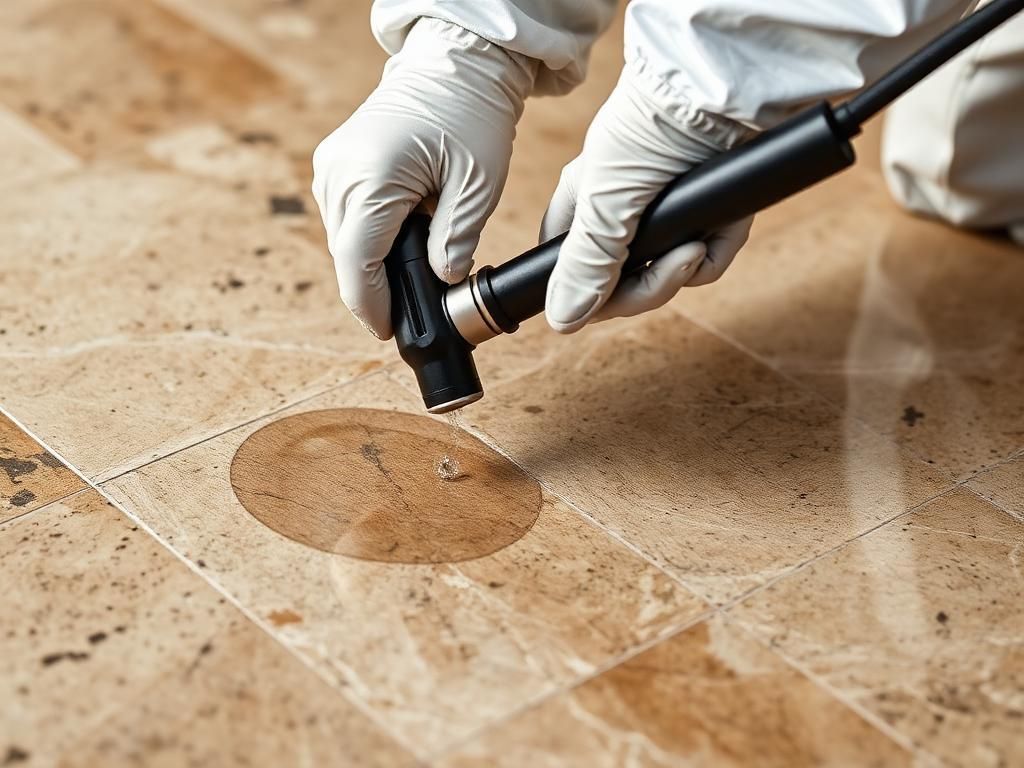
Indoor Travertine Sealing vs Outdoor Travertine Paver Sealing: Key Differences for Phoenix Homes
Indoor travertine and outdoor travertine pavers face very different threats. That is why they should not be treated exactly the same way.
Indoor travertine challenges
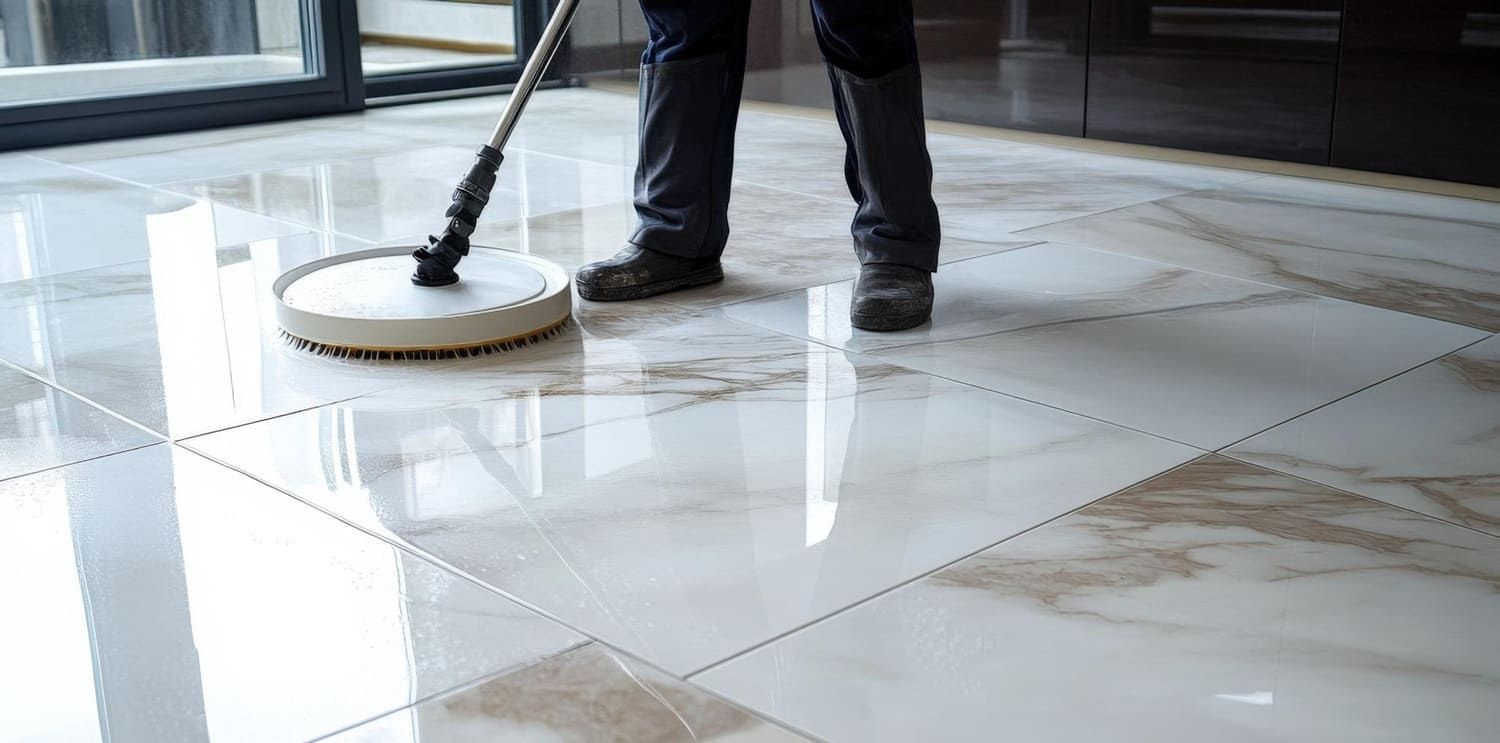
Indoor stone is more likely to deal with food spills, oils, soap residue, hard water spots, body care products, and daily foot traffic. Floors, showers, walls, and counters need a sealer appropriate for interior conditions and the room's moisture level.
Outdoor travertine challenges
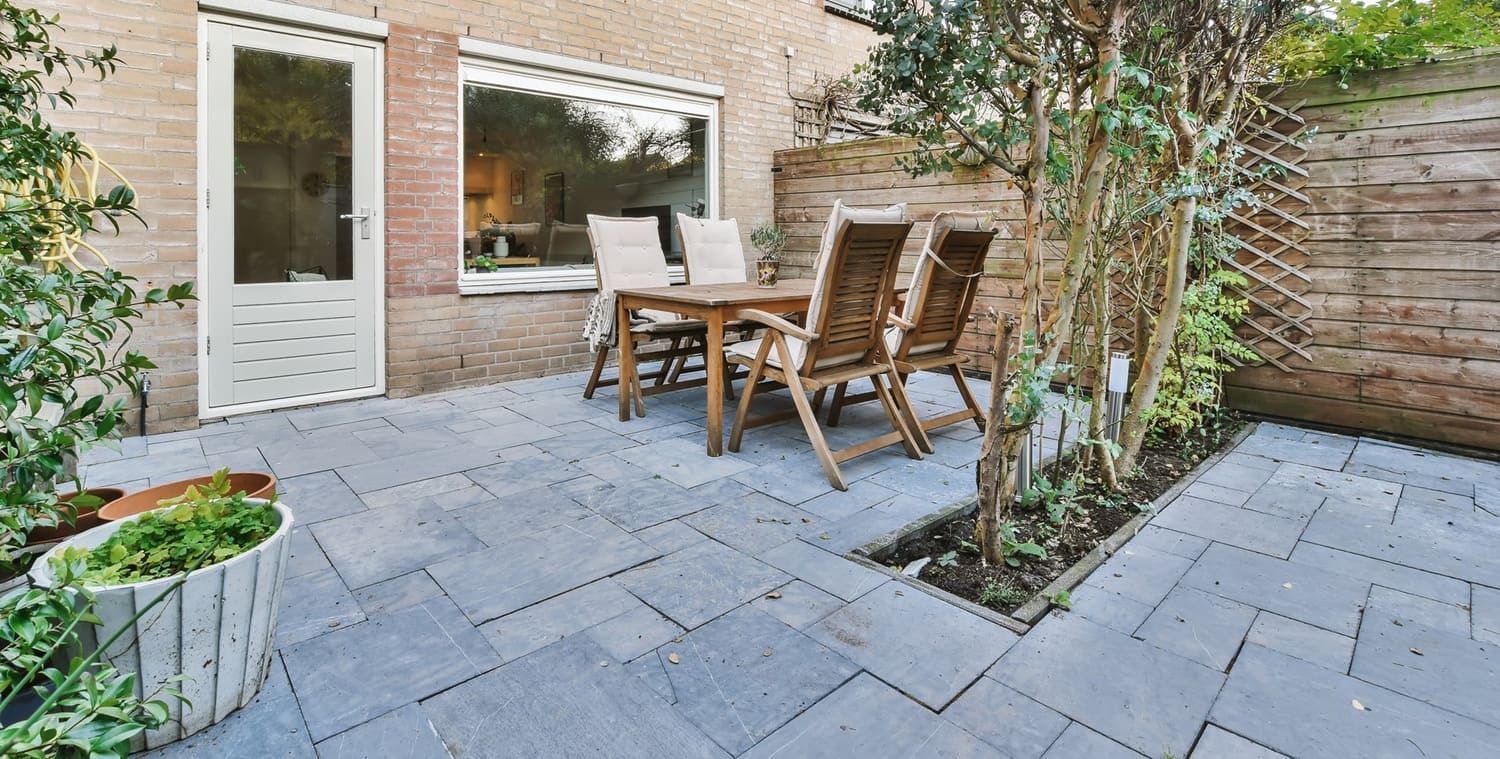
Outdoor pavers and pool decks are exposed to stronger UV, intense heat, rain, irrigation, pool chemicals, organic debris, and constant dust and sand. The sealer selected for travertine paver sealing Phoenix must suit exterior stone performance in desert conditions.
Comparison: Indoor travertine vs outdoor travertine pavers in Phoenix
| Factor | Indoor Travertine Floors, Showers, Counters | Outdoor Travertine Pavers and Pool Decks |
|---|---|---|
| Sealer type required | Product selected for interior use, moisture exposure, and stain resistance. | Product selected for exterior exposure, UV durability, and weather resistance. |
| Frequency of resealing in Arizona's climate | Often less frequent in lower wear spaces, more frequent in kitchens and showers. | Usually more frequent because of sun, heat, dust, pool activity, and weather exposure. |
| Specific threats | Hard water, soap film, oils, food spills, cleaner misuse, interior foot traffic. | UV exposure, pool chemicals, irrigation, desert dust, sand abrasion, outdoor traffic. |
| Restoration steps needed before sealing | Deep cleaning, stain treatment, grout work, etch or dullness correction as needed. | Pressure appropriate cleaning, mineral and soil removal, surface evaluation, repair and prep as needed. |
| How Desert Tile and Grout Restore addresses each application | Travertine Cleaning and Restoration for floors and walls, plus grout color sealing, shower regrouting, and related stone care services. | Travertine Paver Cleaning and Sealing for patios and pool decks, plus concrete, patio, and outdoor surface clean and seal services. |
For many homes in Scottsdale, Paradise Valley, Tempe, Mesa, Chandler, Gilbert, Peoria, Surprise, and surrounding areas, indoor and outdoor travertine need separate maintenance schedules even when they were installed at the same time.
How Often Should Travertine Be Sealed in the Phoenix and Scottsdale Area?
The honest answer is that resealing frequency depends on location, use, exposure, and previous maintenance. However, Arizona conditions usually shorten the maintenance cycle compared with milder climates.
General rule of thumb
High use indoor travertine floors, shower walls, and outdoor pavers in the Phoenix area often need more frequent evaluation than homeowners expect. In many cases, exterior travertine and wet areas should be checked regularly because sun, water, and traffic can wear down protection faster.
Signs travertine may need resealing
- Water no longer beads or stays near the surface briefly
- Stone darkens quickly when wet
- Spills absorb faster than before
- Surface looks dull, dirty, or uneven soon after cleaning
- Hard water spotting is becoming more persistent
Anyone searching how often to seal travertine in Arizona should understand that there is no one size fits all schedule. A shaded interior hallway in Glendale will not age like a pool deck in Scottsdale or a patio in Buckeye. The best approach is periodic professional evaluation followed by sealing when the stone's condition and absorbency indicate it is time.
Can Old, Stained, or Damaged Travertine Be Restored Before Sealing in Phoenix?
Yes. In many cases, older travertine can be significantly improved before sealing. This is one of the biggest reasons to hire a qualified stone restoration specialist instead of applying sealer over the problem.
Common pre-sealing restoration needs
- Deep cleaning to remove embedded soil and residue
- Hard water deposit removal
- Correction of dullness, wear patterns, and surface discoloration
- Grout cleaning, color sealing, or staining
- Regrouting in showers or counters where needed
- Targeted stain treatment
If travertine has lost its appeal, restoration may still be possible without replacement. That can be a major benefit for homeowners, property managers, and real estate investors preparing a home for resale or trying to improve a rental or luxury property presentation.
A broader service advantage
Desert Tile and Grout Restore is positioned as a comprehensive stone and tile care provider for the Greater Phoenix area. In addition to travertine cleaning and restoration, the company also offers Travertine Paver Cleaning and Sealing, Grout Color Sealing and Staining, Tile and Grout Cleaning, Counter and Shower Regrouting, Marble Cleaning and Polish, Granite Countertop Polish and Seal, Slate Tile Restoration and Protection, Mexican Tile Restoration, Stain and Colorize services, and Driveway, Patio, and Concrete Clean and Seal. For many properties, that broader capability helps ensure the travertine work is coordinated with surrounding surfaces and finishes.
How to Choose the Right Travertine Cleaning, Restoration, and Sealing Professional in Maricopa County
Choosing the right provider is the difference between surface level improvement and true long term protection. If you are looking for the best travertine sealing company Maricopa County , focus on experience, process, reputation, and local knowledge.
What to look for
- Local experience with Arizona stone conditions including UV, hard water, and desert dust
- Proven restoration capability not just basic cleaning
- Clear recommendations based on indoor versus outdoor application
- Established reputation for honest communication and quality work
- Proper business credentials including insured and bonded status
Desert Tile and Grout Restore has served residential and commercial customers throughout the Greater Phoenix and Maricopa County area since 1995. The company reports nearly 5,000 completed projects and more than 3,200 floors restored. It is a family owned and operated business led by Rob and his team, and it is insured, bonded, and a registered Member of the Arizona Register of Contractors with ROC No. 23305 C-05.
For homeowners in Glendale, Scottsdale, Phoenix, Avondale, Goodyear, Cave Creek, Carefree, Queen Creek, Fountain Hills, and nearby communities, those details matter because travertine care is not a one product job. It requires the right assessment, the right prep, and workmanship that protects the investment instead of creating avoidable rework.
When evaluating service providers, ask whether they handle both interior travertine restoration and exterior paver sealing, whether they can address grout and adjacent stone issues, and whether they have substantial project history in Maricopa County homes. That is often where a specialist stands apart from a general cleaner.
FAQ
Is travertine sealing really worth it for Phoenix homes?
Yes. Phoenix heat, UV, hard water, and desert dust make travertine more vulnerable than in many other climates. Professional sealing helps protect its appearance, reduce absorption, and lower long-term restoration costs.
How often should travertine floors be sealed in Arizona's climate?
It depends on traffic, moisture, sun exposure, and prior maintenance. High-use floors, showers, and outdoor pavers usually need more frequent evaluation than lower-use interior areas.
What happens if you leave travertine unsealed in Phoenix's hard water environment?
Unsealed travertine can absorb minerals, spills, and grime more easily. Over time, this can lead to staining, dullness, discoloration, and more difficult cleaning.
Can travertine be restored if it is already stained or etched before sealing?
Often yes. Professional cleaning and restoration can address many common issues before sealing, helping avoid locking damage into the stone.
What is the difference between sealing indoor travertine floors and outdoor travertine pavers?
Indoor surfaces primarily face spills, oils, and hard water, while outdoor pavers are exposed to intense UV, pool chemicals, irrigation, dust, and sand. The sealer choice and maintenance cycle often differ.
How long does professional travertine sealing last in Arizona's extreme heat?
Service life varies based on exposure, traffic, and product selection. Outdoor and wet-area applications generally require closer monitoring because Phoenix conditions are demanding.
Does sealing travertine change its appearance or make it look shiny?
Not necessarily. Many sealers are designed to protect while maintaining a natural look. The final appearance depends on the product selected and the condition of the stone before application.
Can I seal my own travertine with store-bought products or do I need a professional?
You can use store-bought products, but results are often inconsistent when prep, product choice, or application technique is not ideal. Valuable travertine typically benefits from professional cleaning, restoration, and sealing.
Does Desert Tile and Grout Restore offer travertine paver sealing for outdoor patios and pool decks in Phoenix?
Yes. The company offers Travertine Paver Cleaning and Sealing services for outdoor patios and pool decks throughout the Greater Phoenix and Maricopa County area.
How do I know if my travertine needs to be resealed or fully restored before sealing?
If the stone absorbs water quickly, looks blotchy after cleaning, has visible staining, or shows hard water residue and wear, it may need more than simple resealing. A professional evaluation can determine the right next step.
Conclusion
So, is travertine sealing worth it in Phoenix desert homes? Absolutely. In fact, it is one of the smartest and most cost effective ways to protect a natural stone investment in a region known for extreme heat, intense UV radiation, mineral rich hard water, and constant desert dust. Those conditions make unsealed or improperly sealed travertine far more vulnerable to staining, etching, discoloration, and long term surface deterioration than it would be in many other climates. Just as important, sealing should never be treated as a shortcut. Proper cleaning, preparation, and restoration before sealing are essential if you want a result that enhances and protects the stone instead of trapping in dirt, stains, or residue.
For homeowners, property managers, and investors across Glendale, Scottsdale, Phoenix, Peoria, Surprise, Paradise Valley, Tempe, Chandler, Mesa, Gilbert, Fountain Hills, Sedona, Flagstaff, Prescott, Tucson, and the greater Maricopa County and Arizona area, Desert Tile and Grout Restore offers a trusted, experienced solution. Since 1995, this family owned company has served homes and businesses with nearly 5,000 completed projects, more than 3,200 floors restored, licensed and bonded contractor status, and a reputation built on honest assessments, fair pricing, and quality craftsmanship led by Rob and his team. If you want professional travertine cleaning, restoration, and sealing for indoor floors, showers, walls, or outdoor pavers and pool decks, call Desert Tile and Grout Restore at (623) 825-2885, email DesertTile@gmail.com, or request a free estimate online at desertstonerestore.com.
Desert Tile & Grout Restore's Blog